Shopping note: We discuss what to look for, rather than claim hands-on testing. Current shopping links are ordinary retailer links. Affiliate disclosure.
Use contrast to make familiar clothes feel fresh
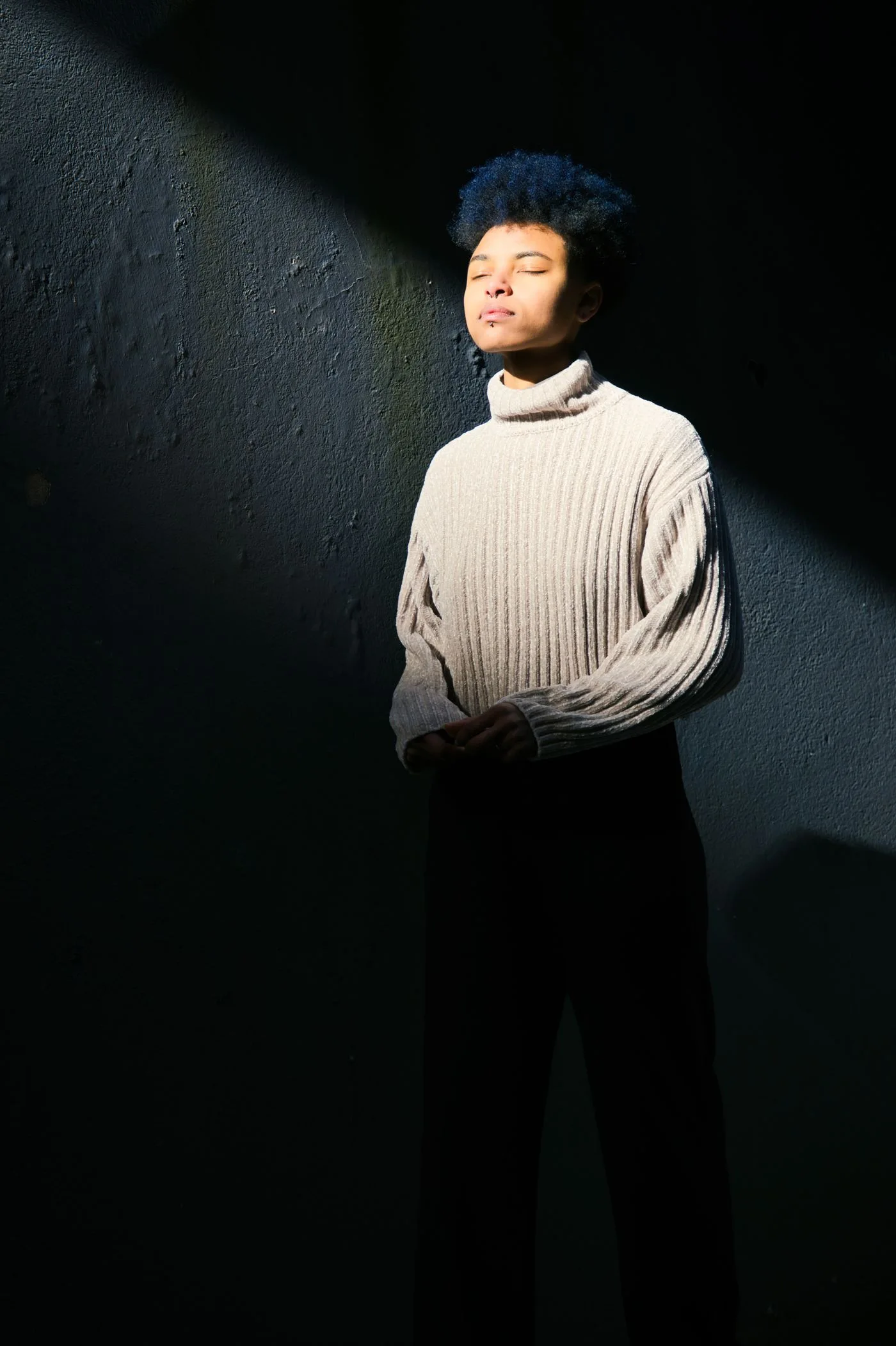
A soft knit and a tailored trouser offer two different kinds of structure. The sweater brings ease; the trouser keeps the outline defined. Together they can suit a desk day, a casual meeting or an afternoon in the city without requiring elaborate styling. The key is the physical relationship between the garments. A sweater that feels comfortable alone can become bulky inside a jacket, while a trouser waistband may distort a thick tuck. Build the combination on your body rather than judging each piece separately.
For an everyday New York outfit, start with a fine or medium-weight knit and trousers you can sit in comfortably. Try the sweater both loose and lightly tucked, then add the coat you will wear outdoors. The complete layered outfit is the useful fitting test, especially when mornings and heated interiors demand different levels of warmth.
Match volume to the waistband
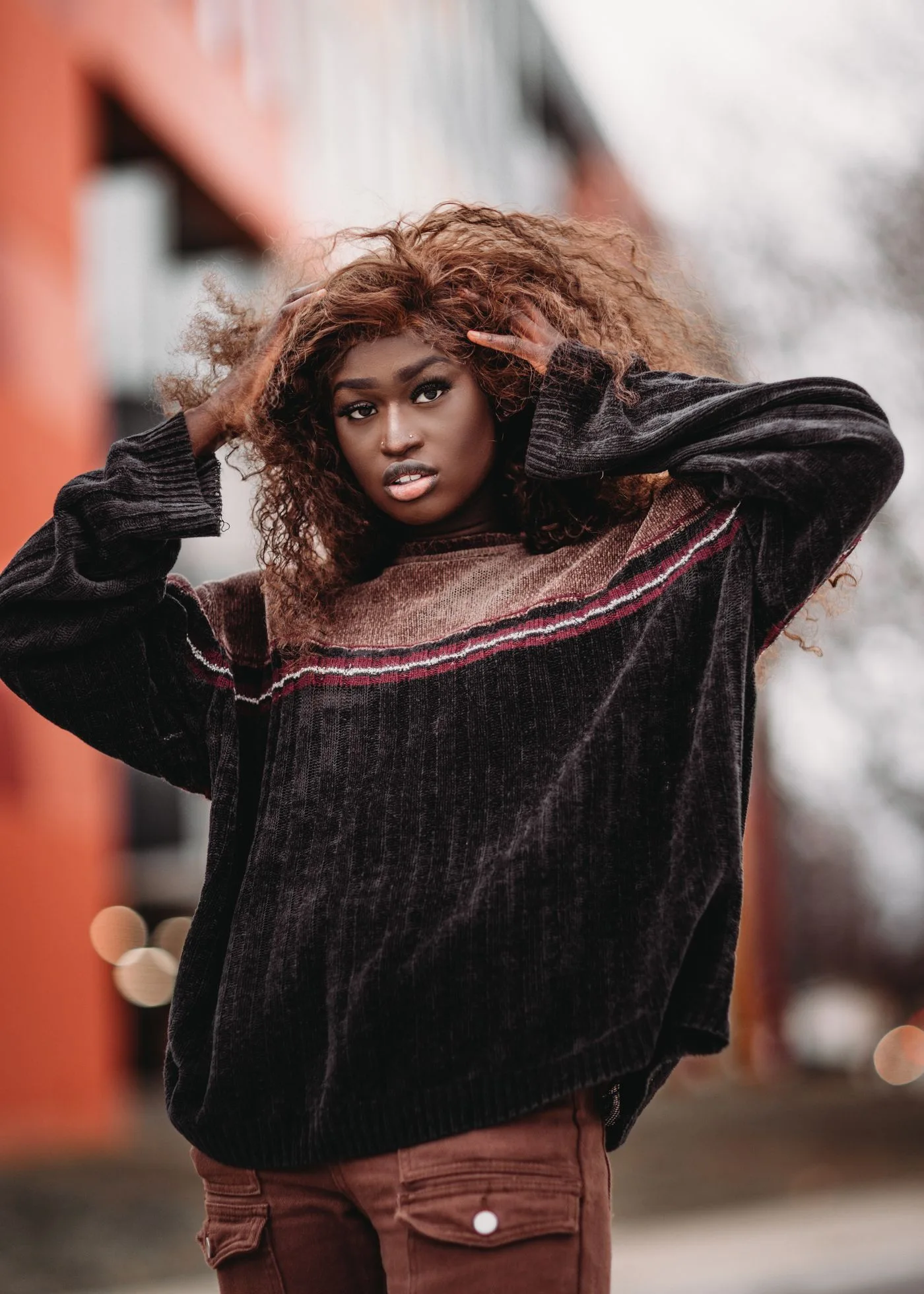
A substantial sweater often sits more comfortably over a waistband than inside it. If you want waist definition, try a shorter knit or a small front tuck without forcing a large amount of fabric into the trousers. Look at the side view and sit down. The aim is not a perfectly flat appearance at all times; it is an arrangement that stays comfortable and does not need constant correction. A finer knit may be the better choice when a clean full tuck is important.
Wide trousers can pair with a roomy sweater, but consider where the outfit has definition. A clear shoulder, a visible neckline or a shorter hem can provide enough balance. If everything feels oversized, change one element before replacing the whole outfit. The shoe and trouser length also affect how much visual weight gathers at the bottom.
Read the care label before the softness persuades you
Fiber composition, knit construction and finishing all influence how a sweater behaves. A soft first touch is appealing but does not tell you how the garment will wash, stretch or pill. Read the care instructions and decide whether you can follow them routinely. A delicate knit that spends weeks waiting for special cleaning may contribute less to your wardrobe than an easier-care option. Compare thickness and opacity in the colors you actually want; the same design can look different in a pale shade.
Store and dry knitwear according to the maker's guidance. Avoid assuming a hanger is suitable for every garment, since weight and stretch differ. If pilling occurs, use a care method appropriate to the fabric rather than aggressively removing fibers. The useful purchase is one whose ongoing maintenance fits your time and willingness, not just your initial clothing budget.
Shop by the layer you are missing
Decide whether you need a thin layer under jackets, a standalone sweater or a warm outer knit. These are different jobs, and one garment may not do all of them well. Uniqlo, Quince and Everlane offer places to compare compositions and silhouettes, but inspect current product information and measurements before ordering. Measure the chest and length of a sweater that already works with your tailoring, then compare the garment measurements rather than relying solely on a size letter.
If your existing sweater feels wrong with trousers, consider whether the trouser rise or jacket sleeves are the actual problem. A different tuck, a sleeve adjustment or pairing the sweater with a skirt may reveal a use without another purchase. When buying, choose a color that connects at least two tailored bottoms you own. Keep enough budget for care, and resist buying multiple colors until the first has been worn and washed as instructed.
Finish with deliberate simplicity
A slim belt, a small earring or a structured bag can echo the tailoring without competing with the knit texture. Keep the number of finishing touches low while you learn which proportions you like. For a weekend version, switch the trousers to denim and retain the sweater. For a meeting, add the jacket you already tested. Repetition makes a good combination useful, and the contrast between soft and sharp supplies enough interest on its own.
Check the knit where it meets the belt and trouser closure. A visible buckle can press against a fine sweater or create a shape you dislike when the top is tucked. Try the outfit without the belt if the trousers fit securely, or choose an existing smoother option. Small changes at the waistband can improve the combination without changing the sweater's size or buying another pair of trousers.
Before you decide
- Test the full outfit sitting and standing.
- Avoid forcing thick fabric into a waistband.
- Check knit opacity in the chosen color.
- Compare measurements with an existing sweater.
- Account for washing, drying and storage.
A few useful answers
Can a chunky sweater work with wide trousers?
Yes, if the combination feels balanced and comfortable to you. Try defining one area through the shoulder, neckline or hem. Check the side view and make sure the footwear supports the trouser length.
Is a natural fiber always the better purchase?
Not automatically. Composition is one factor alongside construction, care, comfort and intended use. Compare the specific garments and choose the one whose performance and maintenance suit your routine.
Published and last updated April 10, 2026. Send an editorial correction.