Shopping note: We discuss what to look for, rather than claim hands-on testing. Current shopping links are ordinary retailer links. Affiliate disclosure.
Begin with the week you actually have
An autumn capsule is most useful when it describes your life rather than an idealized list of essentials. Write down a typical week: the days you commute, the days you work at home, a grocery run, dinner and any time outdoors. A person walking several miles in New York will need different footwear from someone driving between appointments. Count situations before counting garments. This keeps a small wardrobe from becoming an expensive collection of pieces that all serve the same narrow purpose.
Pull out the clothes you reach for without negotiation. Include the trousers that fit after lunch, the knit you can layer under a coat and the shoes you can wear on a full day. Set aside items that need repairs, but do not treat them as ready to wear until the repair is complete.
Choose a palette with useful connections
Two familiar neutrals and one accent are enough to begin, but this is a convenience rather than a rule. Navy, cream and burgundy might connect existing clothes more easily than buying a new set in fashionable brown. Look at your coats, shoes and bags first, because replacing those categories can consume a budget quickly. Photograph a few combinations in daylight. You are looking for pieces that connect without needing one very specific top to make the whole outfit work.
Texture gives a restrained palette variety. A smooth cotton shirt, a soft knit and a structured trouser can feel different even when their colors are similar. Keep the balance practical: several delicate fabrics with special cleaning requirements may make a small wardrobe harder to maintain, particularly when laundry time is limited.
Build formulas instead of rigid uniforms
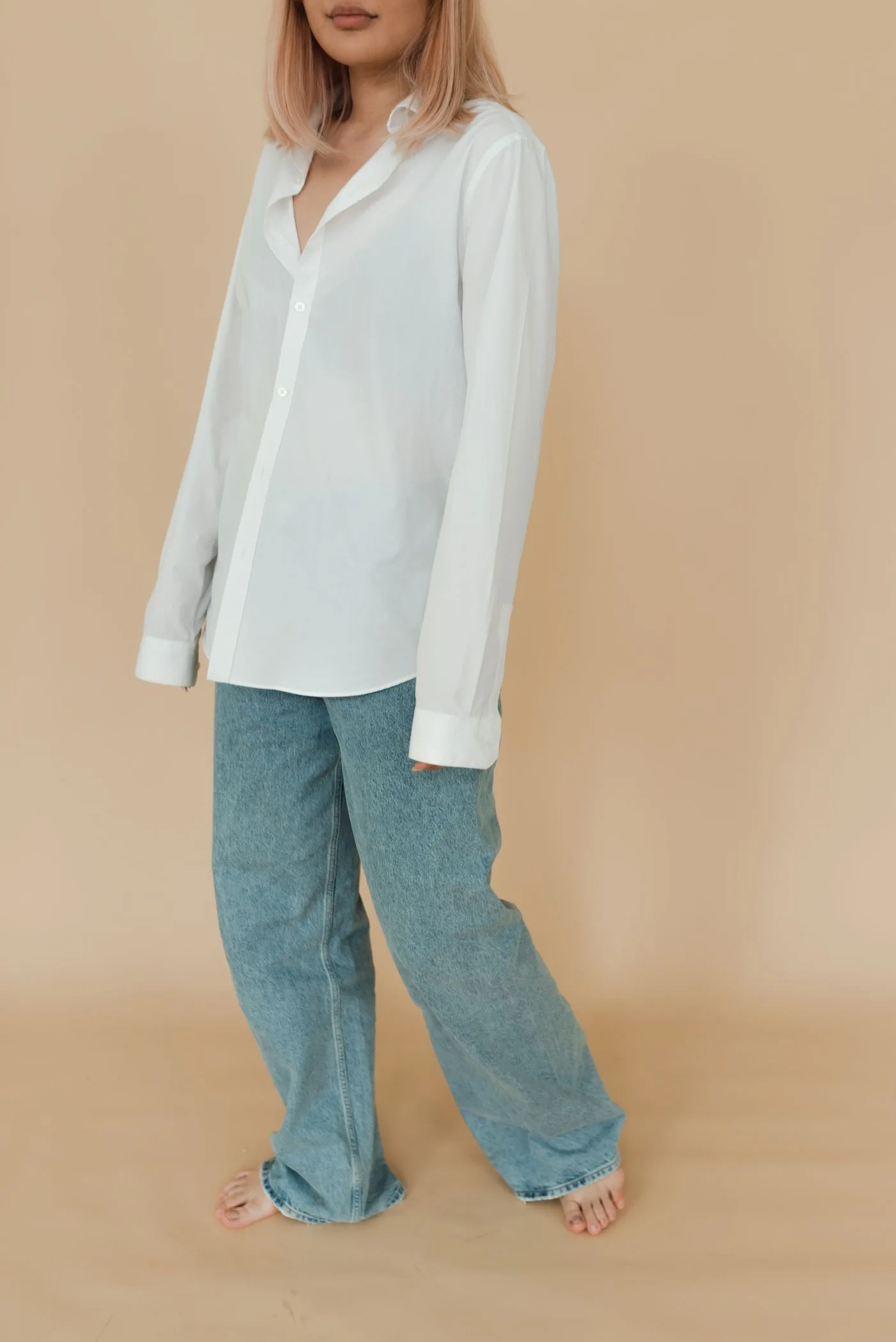
Try three formulas: trousers with a shirt and knit layer; denim with a simple top and jacket; a skirt with a fine knit and boots. Use your own pieces to make each formula work in at least two situations. A shirt can appear open over a tank on a mild weekend and tucked into trousers for a meeting. The same coat can finish both, if its sleeve and shoulder space accommodate your layers. Repeat wearing is the point of the exercise, not something to disguise.
Leave room for weather changes. Autumn can include warm afternoons, rain and unexpectedly cold mornings. A wardrobe built entirely around heavy sweaters may be uncomfortable indoors. Lighter layers often offer more combinations, but choose based on your temperature preferences and the buildings you spend time in.
Shop the smallest genuine gap
Once the formulas exist, write a short gap list with a reason beside each item. 'Dark trousers that work with my commuting shoes' is more actionable than 'better basics.' Compare measurements, pocket placement and care labels at Uniqlo, Everlane or Quince rather than assuming a brand will fit consistently across styles. Review current return conditions, especially for sale purchases. A lower price is not a saving if the item cannot join the wardrobe you have already mapped.
Limit the first shopping round to the gap that unlocks the most outfits. Wear the new piece with existing clothes before buying the next one. If it needs another purchase to work, reconsider whether it solved the original problem. Secondhand options and alterations can also fill a gap, although condition, measurement accuracy and alteration costs deserve the same attention as a new item.
Let the capsule change with evidence
After two weeks, note what stayed in the drawer and why. Sometimes an unworn garment needs a different pairing; sometimes it belongs to a life you no longer lead. Store occasional occasionwear separately if it distracts from daily choices. A capsule does not require an arbitrary total or an immediate clear-out. It is a small, working selection that should earn its place through comfort, usefulness and the pleasure of getting dressed.
Keep a small note of laundry bottlenecks. If the only top that works beneath your jacket is frequently in the wash, a second suitable layer may be a more useful purchase than another statement piece. Conversely, if several clean sweaters remain untouched every week, adding another color is unlikely to solve the problem. The capsule should reflect the rhythm of wearing and maintaining clothes together.
Before you decide
- Map real activities before selecting clothes.
- Make three repeatable outfit formulas.
- Include laundry and weather needs.
- Write one specific gap before shopping.
- Review the selection after two weeks.
A few useful answers
How many pieces should a capsule contain?
There is no necessary total. Start with enough clothes for your laundry schedule and routine. A fixed number is less useful than knowing that the pieces combine and cover the situations you regularly encounter.
Do occasional dresses belong in the capsule?
They can remain in your wardrobe without being part of the everyday selection. Keep them accessible and maintained, then judge your daily capsule by daily needs rather than infrequent events.
Published and last updated January 24, 2026. Send an editorial correction.