Shopping note: We discuss what to look for, rather than claim hands-on testing. Current shopping links are ordinary retailer links. Affiliate disclosure.
Start with an outfit worth repeating
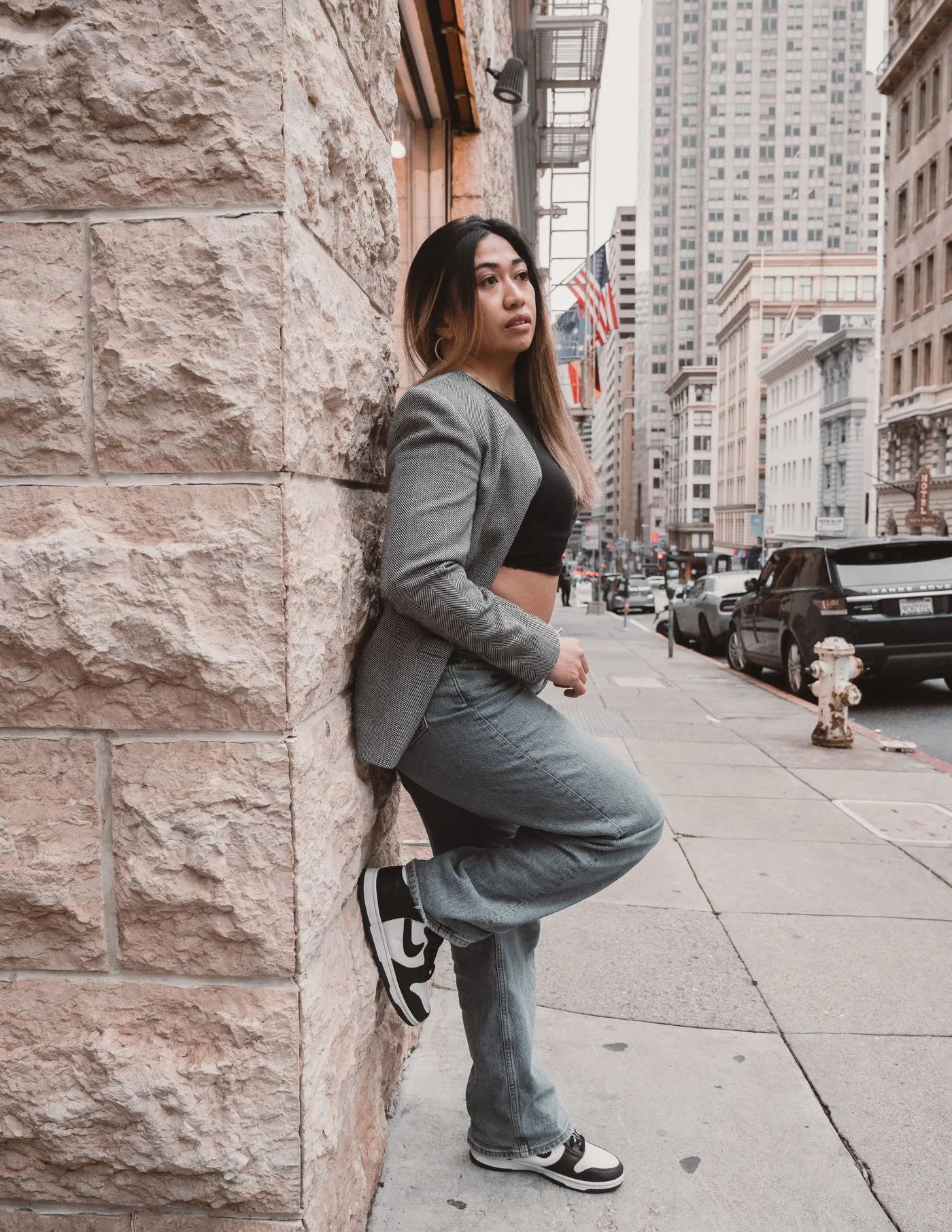
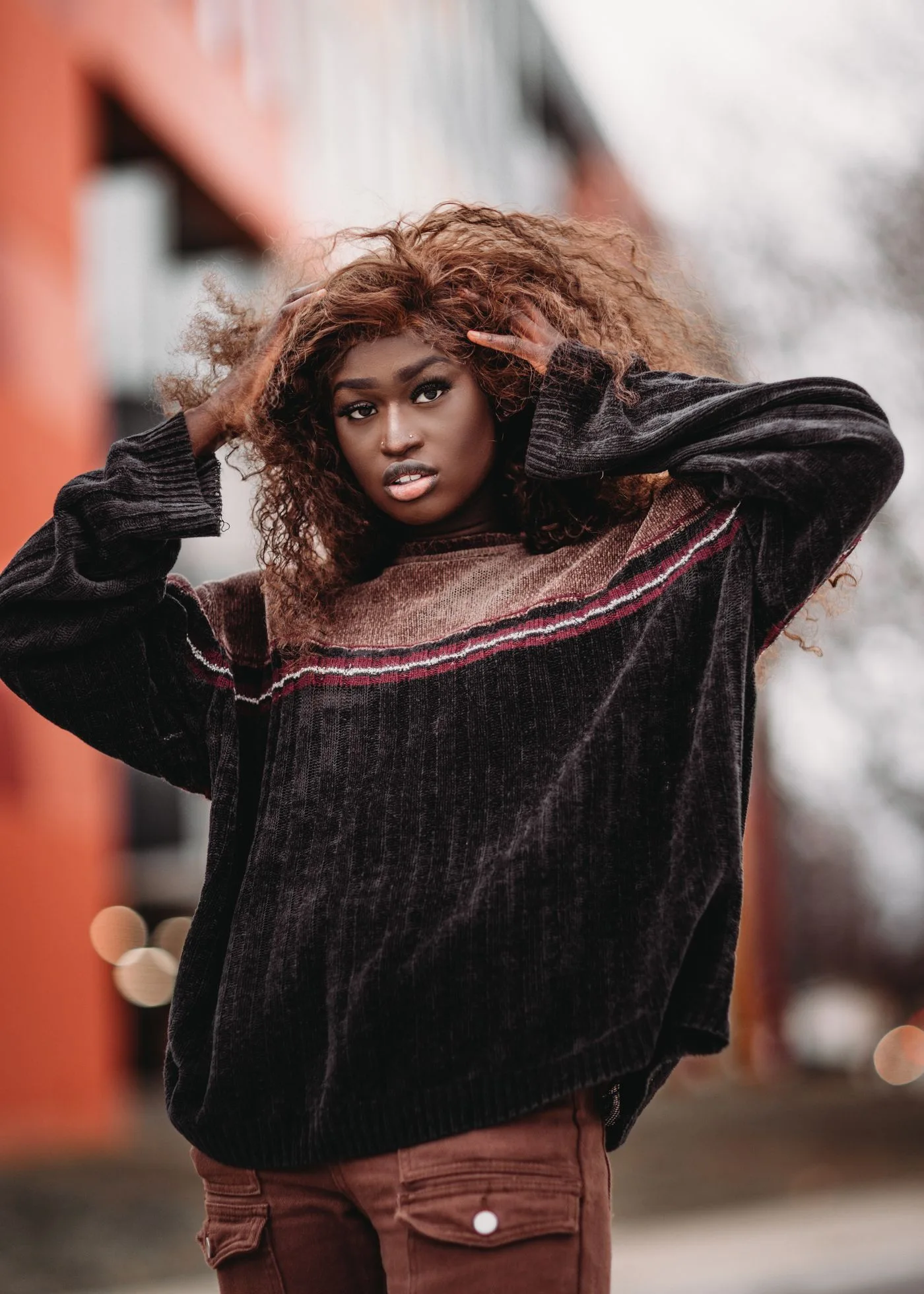
A familiar dress or trouser-and-top combination can feel different in the evening through a small change of emphasis. Before buying accessories, put on the clothes and shoes you intend to wear. Look at the neckline, sleeves and overall shape. Decide whether the outfit needs color, shine, texture or simply a more useful bag. An accessory is most effective when it answers a specific styling question rather than arriving as another object to coordinate.
For a New York dinner or a small gathering, comfortable clothes often make the evening easier than an entirely new occasion outfit. Keep the pieces that already fit well and let one detail carry the change. Repeat wearing does not diminish the care put into getting dressed. It can provide a reliable foundation for trying something small and personal.
Choose one focal point
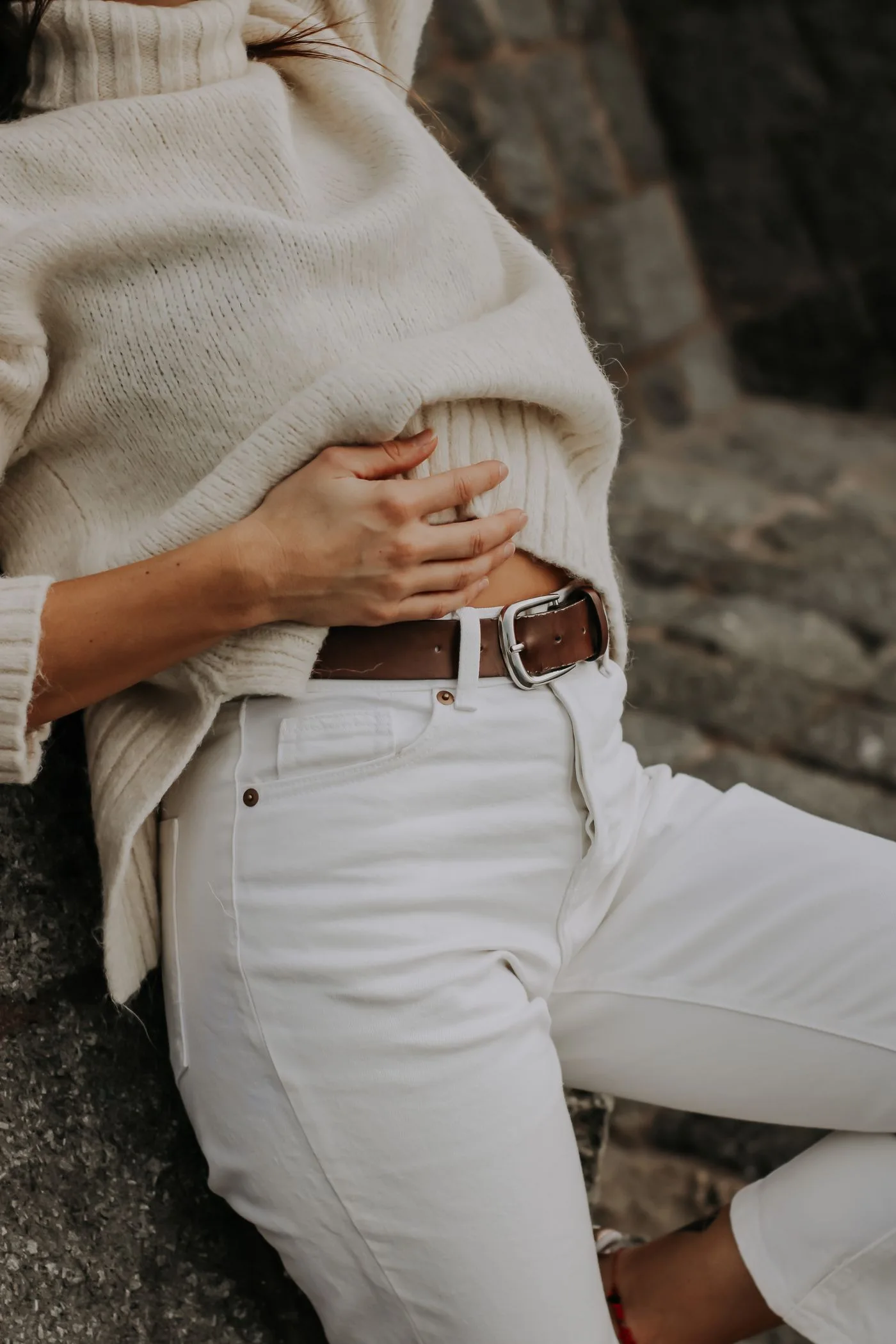
A statement earring, a textured bag or a noticeable belt can each become the main detail. Try one at a time and assess the complete outfit from a few steps back. If several accessories compete, remove the least useful one. This is not a universal rule that every outfit must be minimal; it is a practical way to understand which change is doing the work. Add more only when you enjoy the result and the pieces remain comfortable.
Consider the relationship to your clothing. A necklace may get lost against a busy neckline or catch on a delicate knit. A cuff can be awkward under a fitted sleeve. Earrings that look striking in a photograph may feel heavy after an hour. Test movement, fastening and contact with the fabric before deciding that a visually appealing accessory belongs in the evening plan.
Make the small bag genuinely useful
Lay out the essentials: phone, keys, payment method, glasses if needed and any necessary personal items. Check that they fit without forcing the closure or distorting the bag. Compare internal space rather than exterior dimensions alone, since rigid shapes and compartments can reduce usable room. Think about how you will carry the bag when greeting someone, holding a drink or walking between venues. A removable strap can be useful when the design supports it, but inspect the actual attachments and carrying options.
If you already own a small bag that works, try changing the clothing or jewelry around it before buying another. A different finish may be appealing, but it should offer something beyond a slightly different photograph. Consider storage, care and how often the new bag will leave the cupboard.
Spend on the detail you will use again
Nordstrom, Madewell and Quince provide starting points for comparing jewelry, belts and bags. Verify the current materials, dimensions and return rules. If you have sensitivities to particular materials, read the product information carefully and seek clarification when the listing is incomplete. A label such as gold-tone describes appearance differently from a precise composition; do not infer more than the retailer states. Personal comfort matters as much as the visual effect.
Set a small total budget and consider borrowing an accessory for a rare event. If buying, identify at least two existing outfits it can join. A modest piece you wear frequently can be a stronger choice than a dramatic one reserved for an imagined occasion. Avoid buying an entire matching set before testing whether the first piece feels natural with your clothes and your routine.
Let the final check be practical
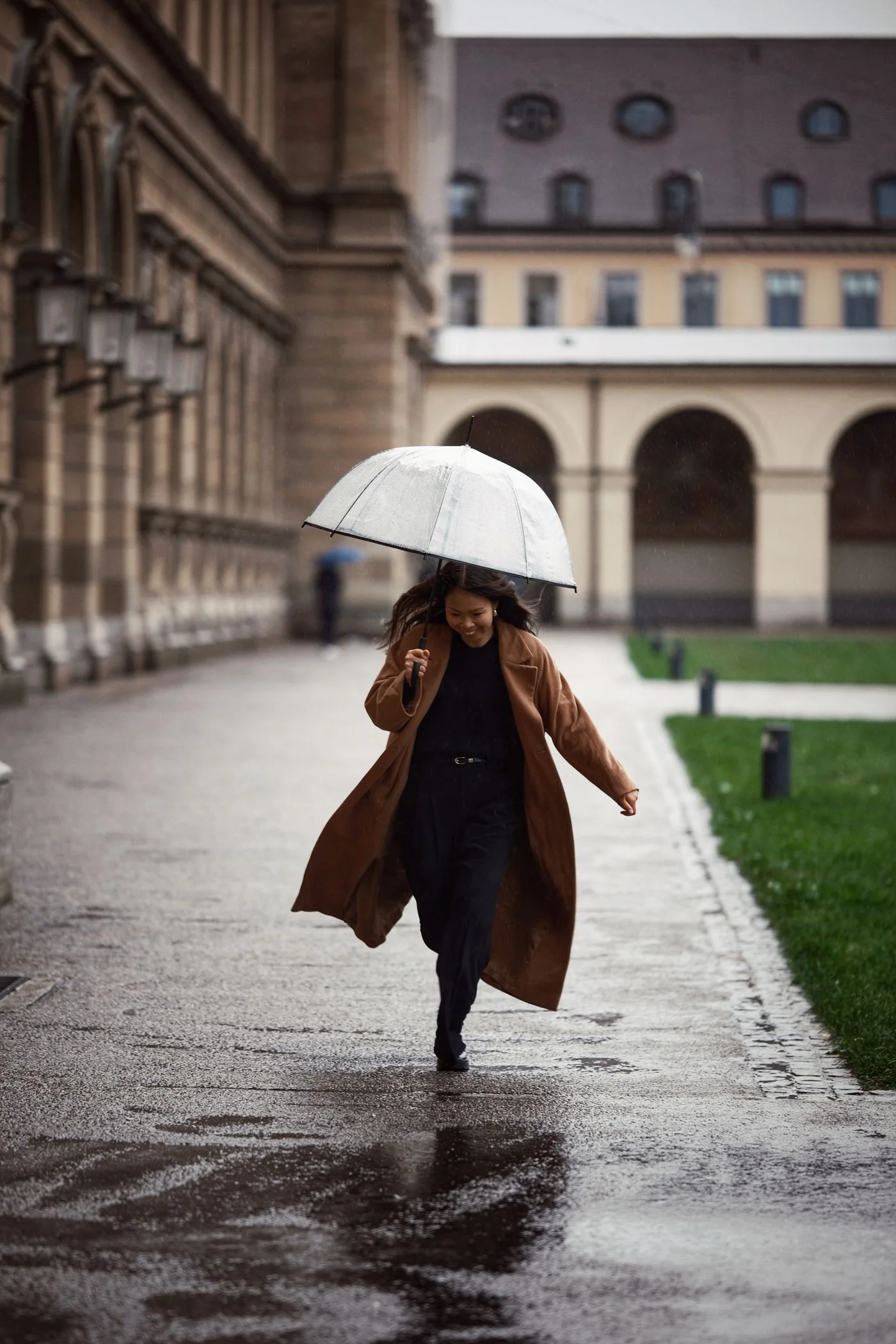
Before leaving, sit down in the outfit, put the coat on and check that the accessories do not catch or press uncomfortably. Make sure the bag closes with everything inside and that the shoes support the walking involved. A small deliberate change should make the evening outfit feel easier to enjoy. When the pieces are comfortable and coherent, there is no need to keep adding something simply because a space remains unadorned.
Store the chosen pieces together after the evening if they form a combination you would like to repeat. A simple photograph can help you remember which earring worked with the neckline or which bag held the essentials comfortably. This turns a successful outfit into a useful future option. It also makes it easier to recognize when a new accessory duplicates a role that is already well covered.
Before you decide
- Decide what the outfit actually needs.
- Test one focal accessory at a time.
- Check fastenings, weight and fabric contact.
- Pack the small bag before the evening.
- Choose a purchase that joins existing outfits.
A few useful answers
Should jewelry match the hardware on my bag?
It can, but exact matching is optional. Look at the overall effect and repeat a finish if that feels coherent to you. Comfort and proportion are more useful criteria than a requirement to match every metal detail.
What is the best first evening accessory?
Choose the missing function in your own wardrobe. A practical small bag may be more useful than jewelry, or a favorite earring may transform several outfits. Start with the piece you can describe a clear need for.
Published and last updated October 1, 2026. Send an editorial correction.